Tail light design
More new elements added to automotive tail light design

As an automobile manufacturer, it is crucial to stay up-to-date on the latest trends in automobile tail light design. The design of the automobile tail light is not only important for illuminating the road behind the car but also plays an important role in the overall look and feel of the vehicle. In this essay, we will highlight some of the latest trends in automobile tail light design.
One of the most significant recent trends in tail light design is the use of LED lighting. LED lights are becoming more and more popular in the automobile industry, and for a good reason. They are more energy-efficient, last longer, and can be customized to produce a range of colors and lighting effects. The LED lights can also be much brighter, which increases the visibility and safety of the vehicle on the road. This technology has given designers newfound flexibility and control over the design of tail lights and the ability to create a dynamic range of lighting effects when braking and signaling other drivers.

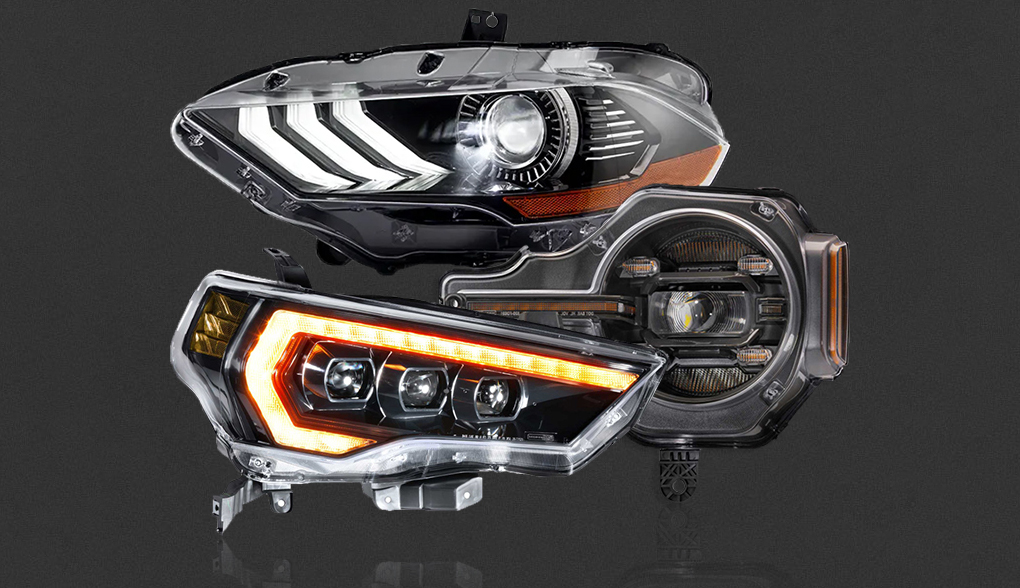
The integration of tail lights has become increasingly popular, with designers focused on the idea of streamlining the lighting systems in a vehicle. This integration of the brake lights, turn indicators, and reverse lights into a single modular housing can reduce the amount of space needed for the tail lights. This innovation has also led to the development of more aerodynamic designs with different shapes that can be varied according to the car maker's identity.
Another important element of contemporary tail light design is the use of innovative materials. One challenge faced by auto manufacturers is to create materials and designs that can endure the harsh environment of the road, with temperature and stress fluctuations. Premium glass and high-strength plastics are now commonly being used as durable yet lightweight material for making tail light lenses. Tougher materials are essential as the tail light can become damaged due to debris and road impacts.
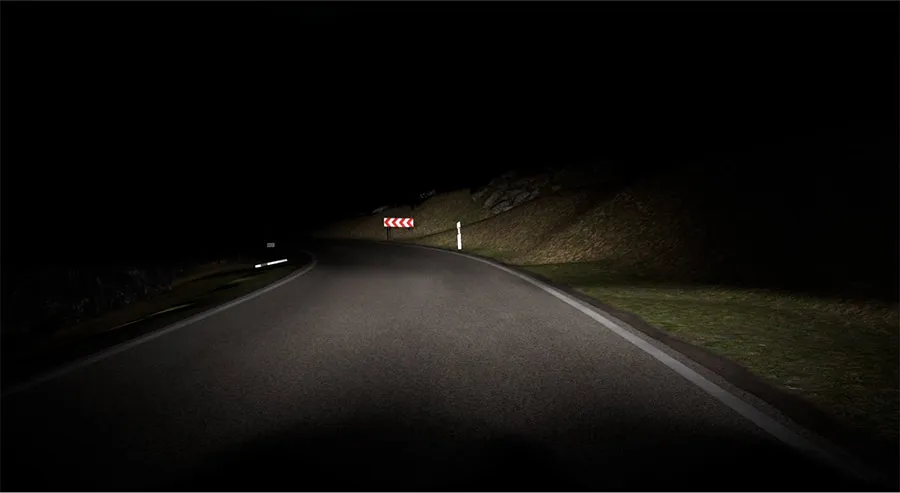
When thinking about automobile tail light design, safety is, of course, the primary concern. A tail light's primary function is to alert other drivers of the car's movements on the road, so the lighting must be sufficiently bright and visible. One new design feature is adaptive lighting; these lights can adjust the direction of the lighting system based on the curves and cornering of the vehicle. These lights work in tandem with the car's cameras and navigation systems to ensure the best lighting possible to reduce accidents.
Finally, environmental protection and sustainability are increasingly important considerations in modern automobile manufacturing. As a result, forward-thinking design ideas have been implemented into tail light designs. Innovative research and development on environmentally friendly materials, like biodegradable thermoplastics, have been initiated by the automobile industry. Furthermore, incorporating energy-saving and efficient lighting systems into the design is essential. Designers must balance aesthetics with function and aim at a long pipeline of new innovations that reduce the environmental footprint.
In conclusion, car tail light design has evolved significantly in recent years, with increased emphasis on energy efficiency, safety, integration, and environmentalism. Designers are using LED lights to enhance lighting effects and streamline lighting systems. New materials have created more robust and lightweight tail lights, promoting sustainability and lighter, more efficient cars. Safety features like adaptive lighting are becoming more common in new designs. As an automotive manufacturer, we need to continue developing fresh ideas on practicality and style, while being mindful of environmental and energy-saving issues needed to build better, safer, and more sustainable cars.
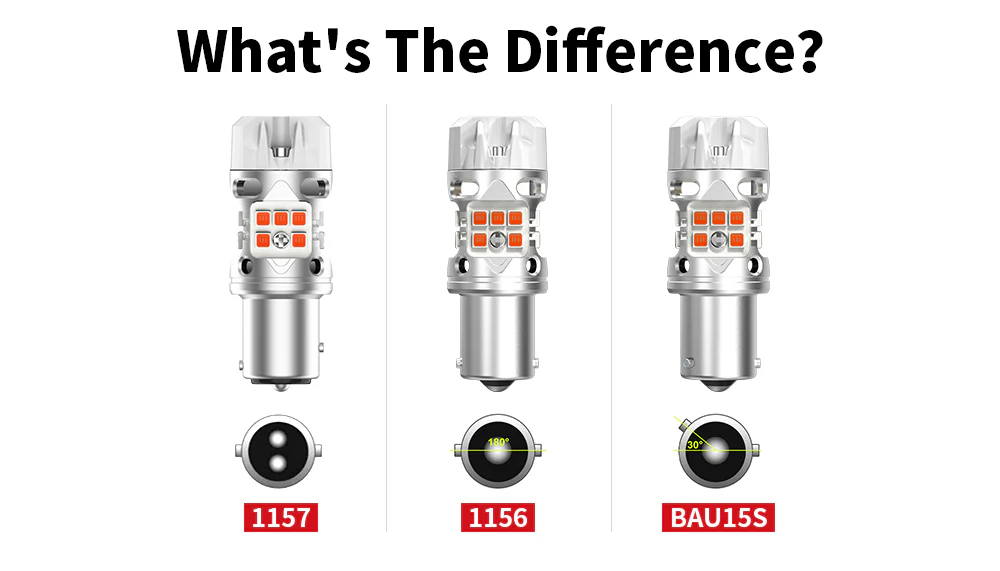
What's The Difference between 1156/1157/BAU15S?
Confused about xenon vs LED headlights?
Related Article